Orlando is full of charm-filled neighborhoods with homes built in the 1950s, 60s, and 70s — from College Park to Winter Park, Conway to Pine Hills. But with those vintage aesthetics often come outdated plumbing systems that can cause headaches (and expenses) if ignored.
In this post, we’ll break down the most common plumbing issues found in older Orlando homes, why they happen, and what proactive steps you can take to keep your pipes and fixtures in top condition.
Why Older Orlando Homes Are Vulnerable to Plumbing Problems
While older homes in Orlando offer character, they often come with:
- Outdated materials like galvanized steel, cast iron, or polybutylene
- Slab foundations that hide leaks
- Shifting soil that stresses underground lines
- Decades of wear on pipes, valves, and connections
- No modern safeguards like pressure regulators or backflow prevention
Central Florida’s hot, humid, and sandy conditions only accelerate corrosion and deterioration.
8 Most Common Plumbing Issues in Older Orlando Homes
1. Galvanized Pipe Corrosion
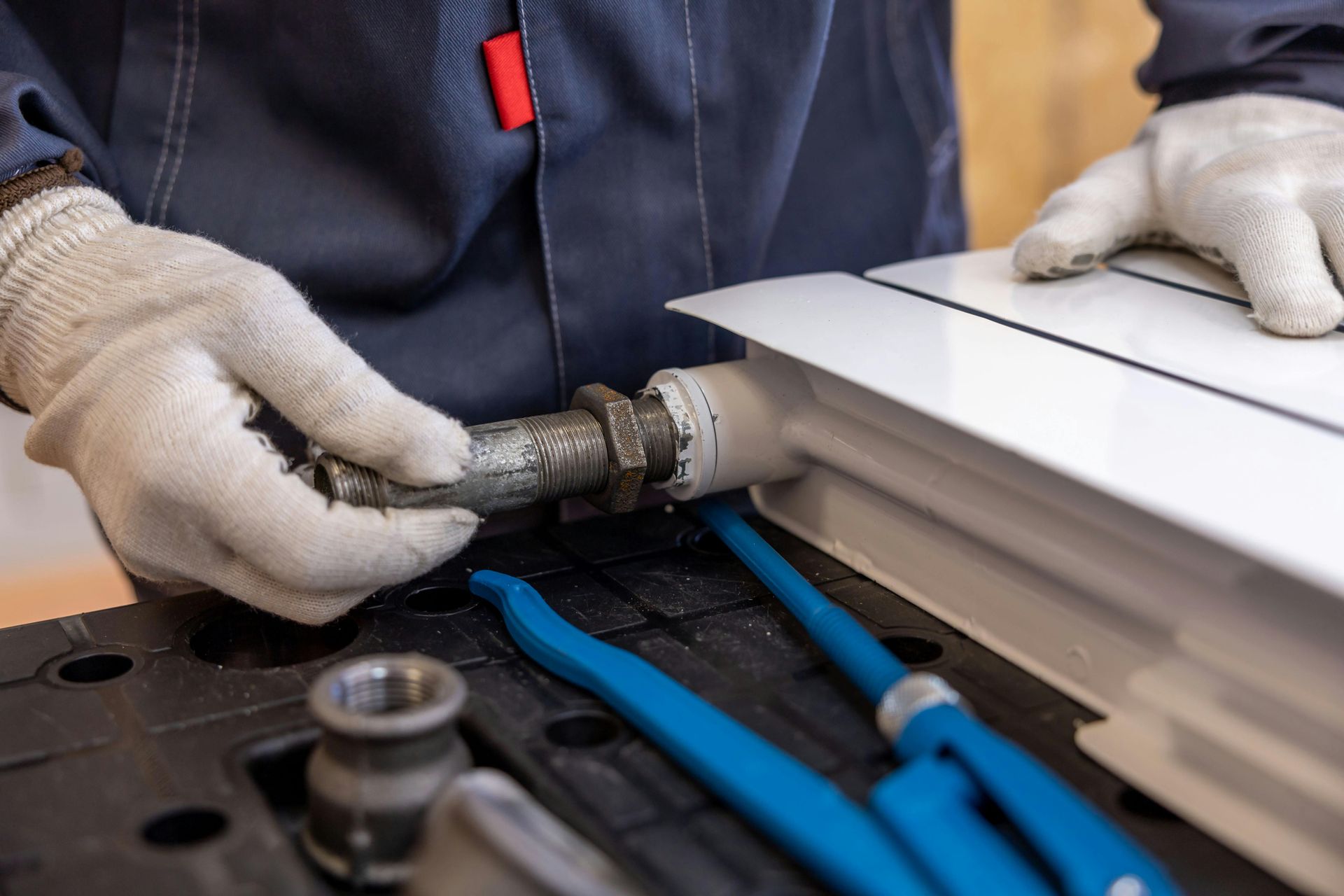
Galvanized steel pipes were used widely in homes built before the 1970s. These pipes rust from the inside out, reducing flow and causing leaks.
Warning signs:
- Low water pressure
- Rust-colored water
- Frequent leaks or burst pipes
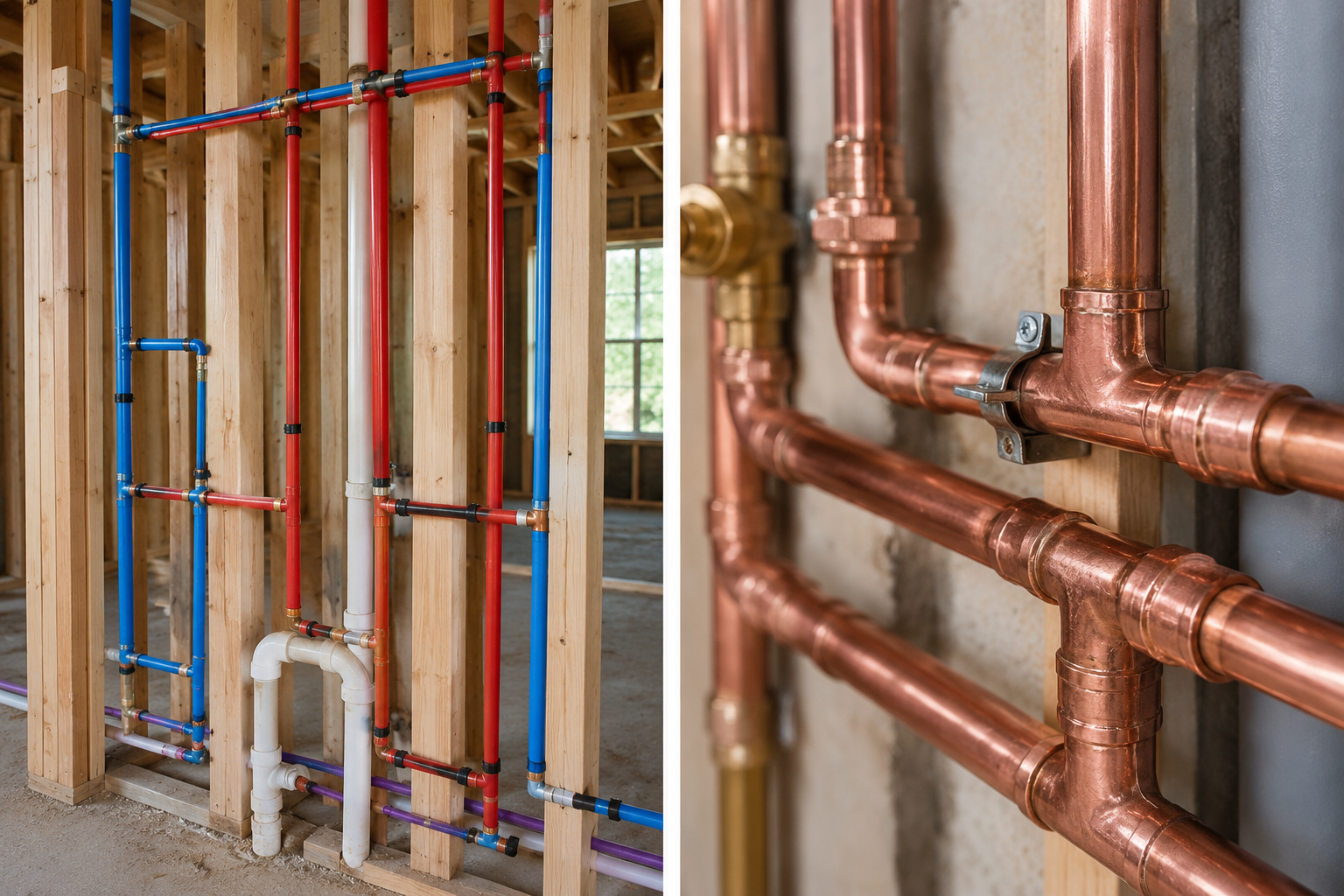
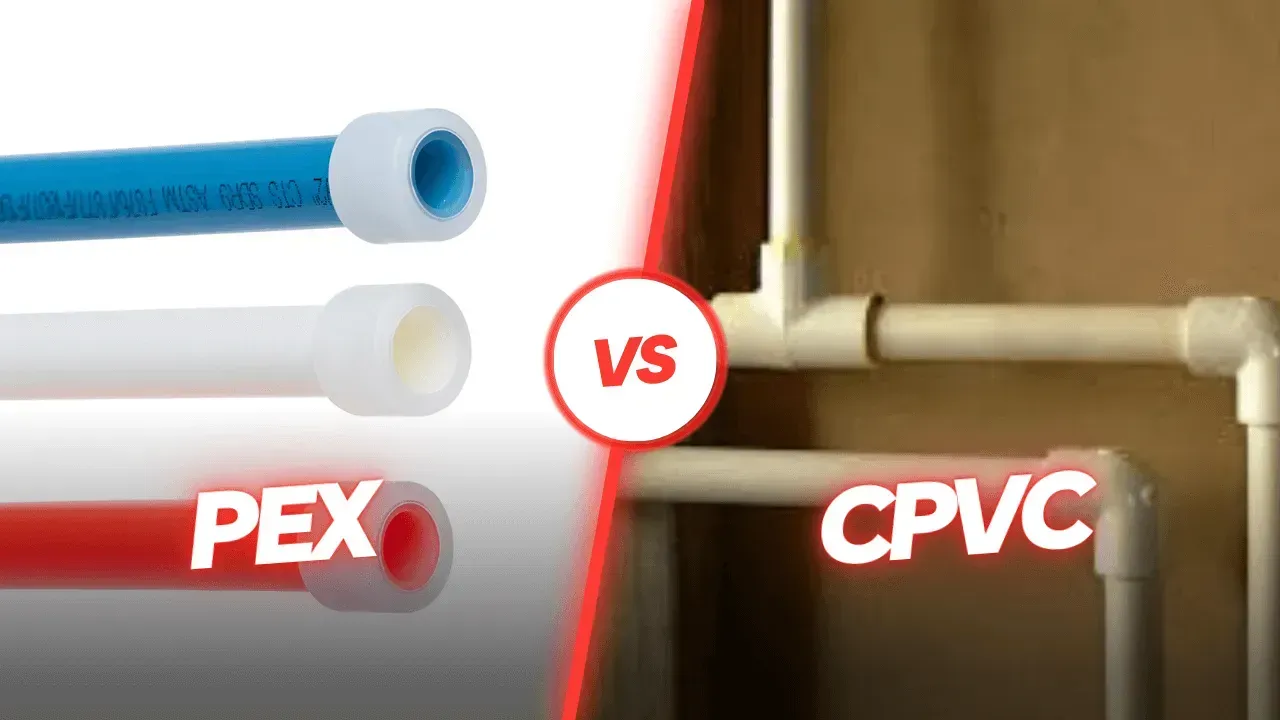
Fix: Whole-home repiping with PEX or CPVC.
2. Cast Iron Drain Line Failure
Cast iron pipes were the standard in mid-century homes but typically only last 50–70 years. They can crack, collapse, or develop scale inside.
Warning signs:
- Slow drains or frequent clogs
- Sewer gas smells
- Gurgling sounds from toilets
Fix: Drain camera inspection and replacement with PVC or trenchless lining.
3. Slab Leaks
Many Orlando homes are built on concrete slabs. Over time, movement or corrosion can cause the pipes beneath the slab to leak — leading to water damage or foundation issues.
Warning signs:
- Warm or damp spots on floors
- High water bills
- Sound of running water with no taps on
Fix: Slab leak detection and rerouting or repiping.
4. Polybutylene Pipes
If your home was built between 1978 and 1995, you may have polybutylene pipes — a plastic pipe known to fail and cause sudden leaks.
Warning signs:
- Gray plastic pipes, often near water heaters
- History of pipe repairs or bursts
- Low water pressure
Fix: Full repiping — most insurers won’t cover damage from known polybutylene failures.
5. Worn-Out Fixtures and Valves
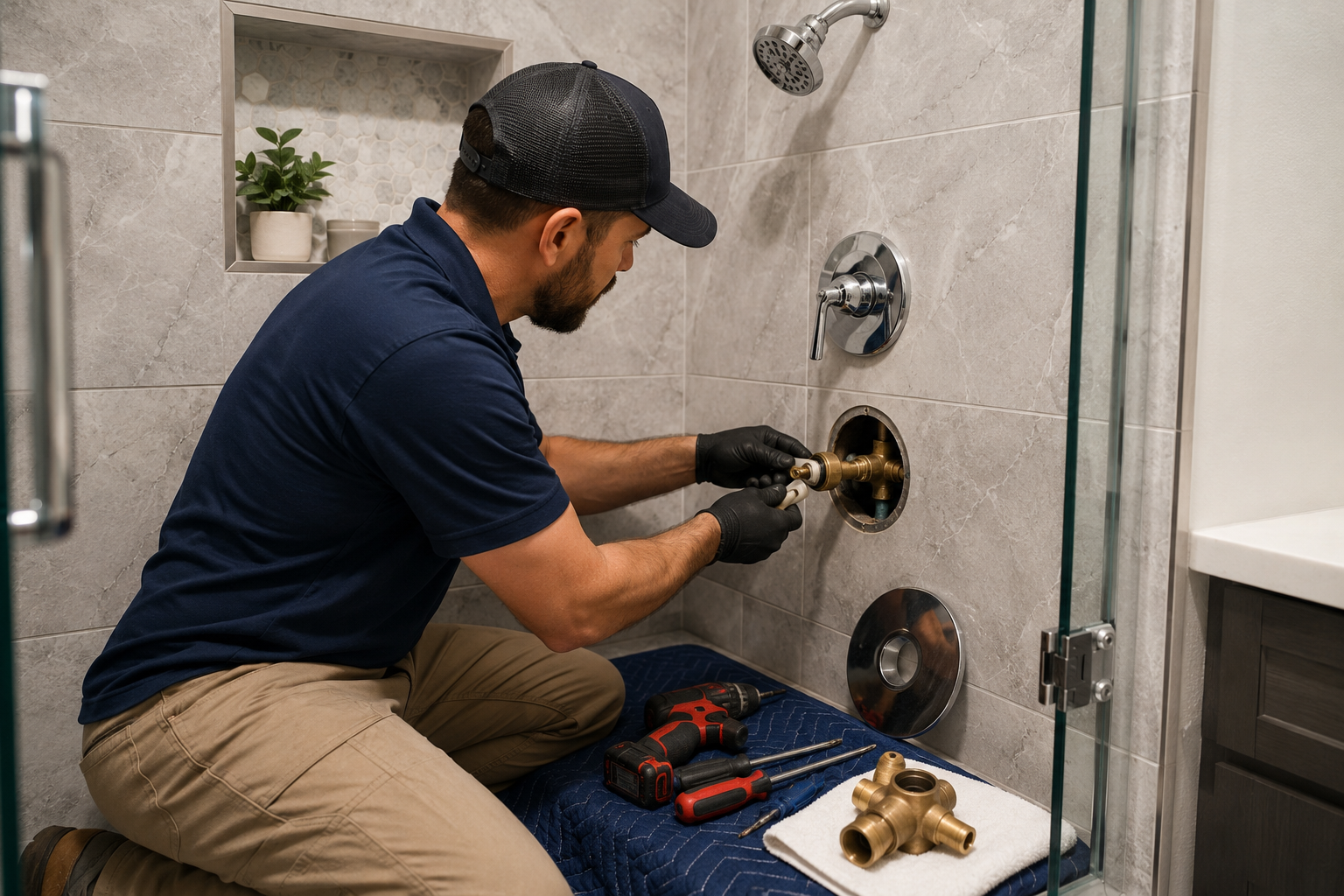
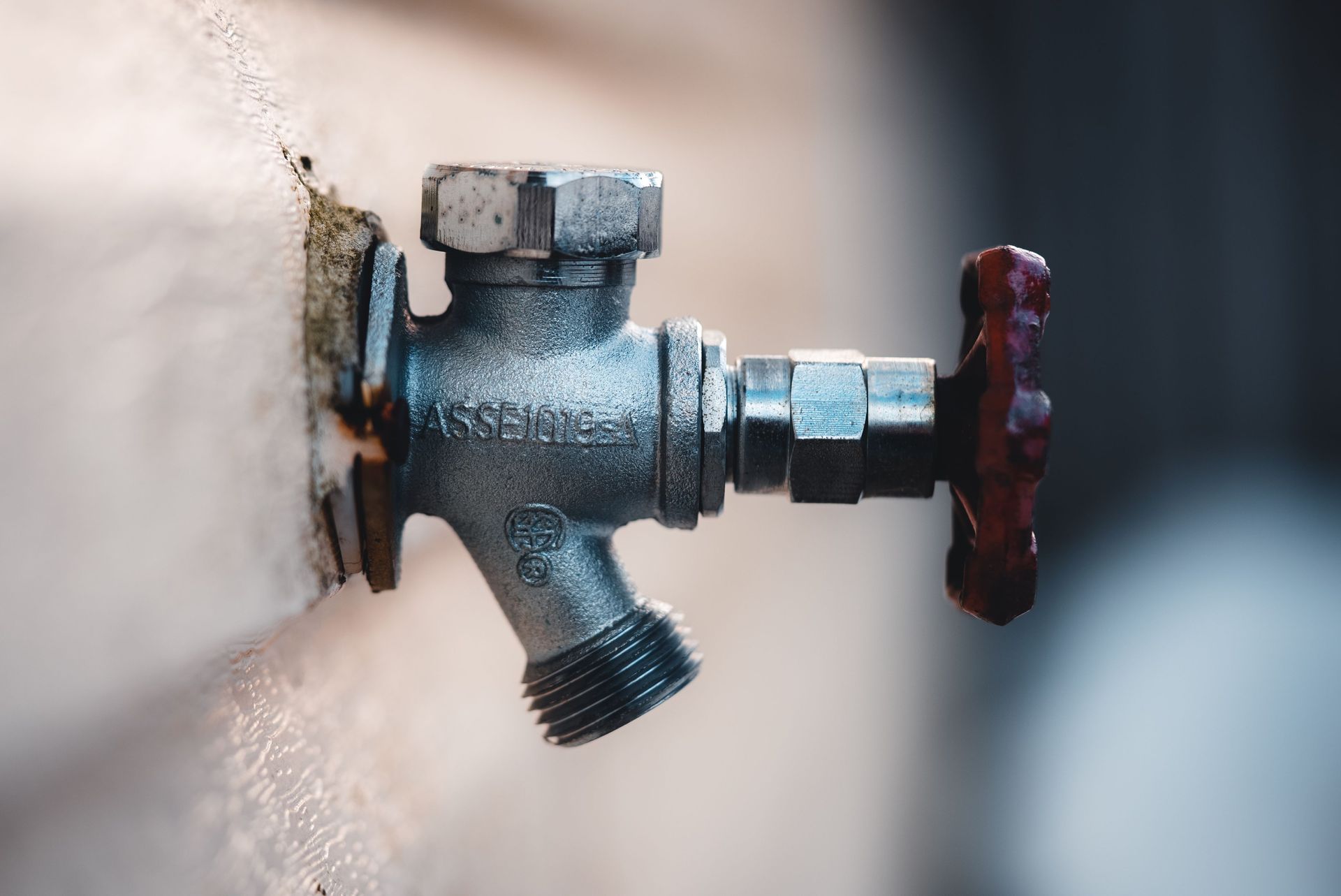
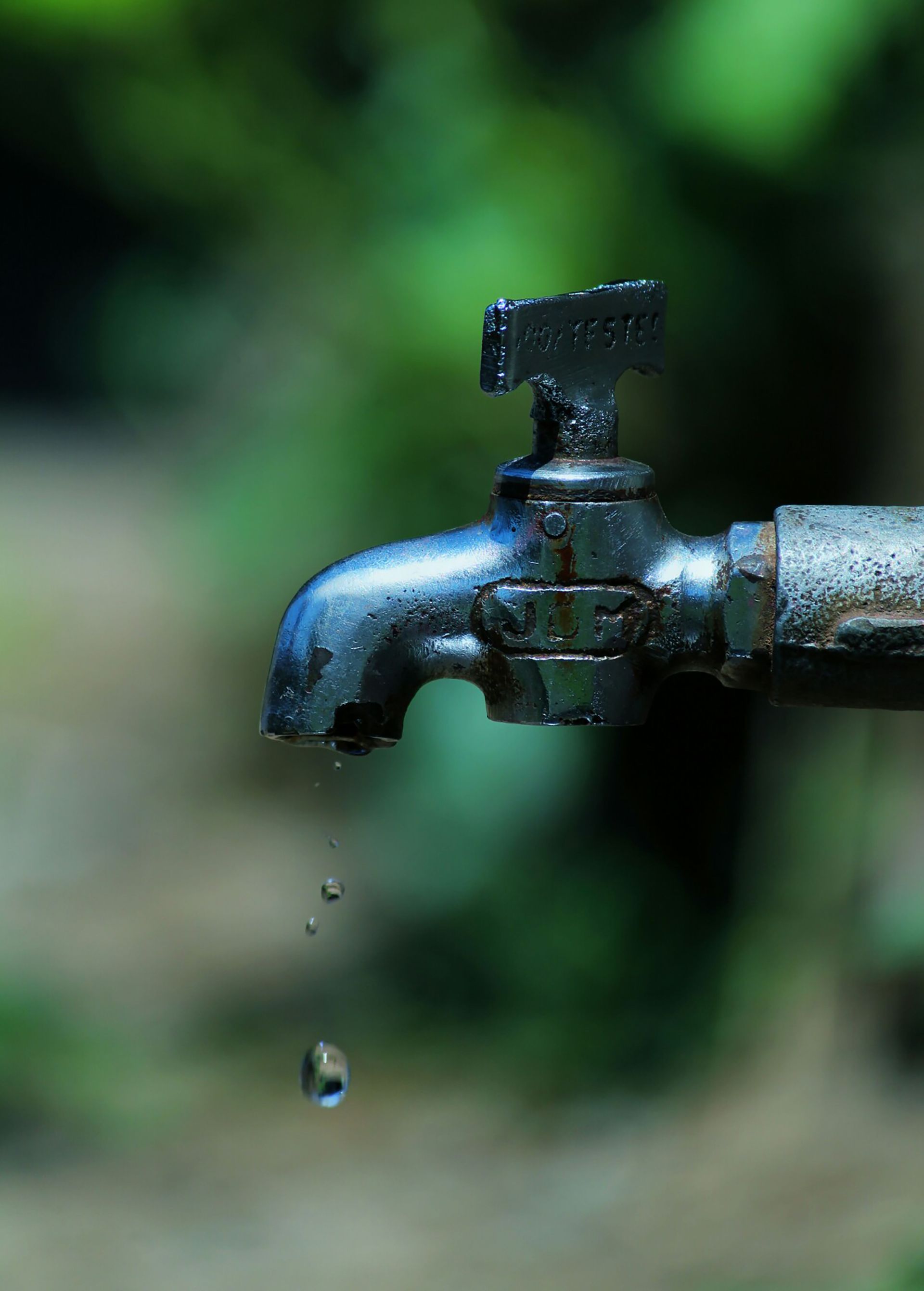
Old faucets, shut-off valves, and hose bibs eventually seize, leak, or fail entirely. Many older homes lack shut-off valves at individual fixtures.
Fix: Replace outdated fixtures with modern, efficient ones and install shut-offs where missing.
6. Improper Drain Venting
Older homes may have undersized or poorly vented drain systems, leading to slow drainage and foul odors.
Fix: Update venting during remodels or plumbing upgrades.
7. Outdated or Missing Pressure Regulators
High municipal water pressure in Orlando can damage older pipe systems. Without a pressure-reducing valve (PRV), your system is at risk.
Fix: Install a PRV to protect pipes and fixtures.
8. Mismatched Plumbing Repairs
Over decades, homes often undergo patchwork plumbing repairs using different materials or improper fittings — causing leaks and flow issues.
Fix: Have a licensed plumber assess and update problem areas with uniform, code-compliant materials.
Neighborhoods in Orlando With Older Homes
If you live in one of the following neighborhoods, your home may be 40+ years old and at higher risk:
- College Park
- Delaney Park
- Lake Como
- Winter Park (historic district)
- Conway
- Azalea Park
- Colonialtown
A plumbing inspection is highly recommended for homes built before 1985 in these areas.
Proactive Maintenance Tips for Aging Plumbing Systems
- Schedule annual plumbing inspections
Catch small leaks and corrosion early before they become emergencies. - Use strainers on drains
Prevent clogs in older, narrower pipes. - Avoid chemical drain cleaners
They corrode older pipe materials. - Install water pressure regulators
Protect pipes from damage caused by excessive pressure. - Upgrade during renovations
If remodeling your kitchen or bathroom, repipe or replace fixtures while walls are open.
Real Plumbing Cases from Older Homes in Orlando
Winter Park – Rusty Water & Low Pressure
A 1960s bungalow had persistent water discoloration. We discovered failing galvanized supply lines and completed a full repipe in 3 days.
Conway – Slab Leak Discovery
A family noticed warm tile floors in their bathroom. Our team found and rerouted a leaking copper line beneath the slab, preventing further foundation damage.
FAQs – Plumbing in Older Orlando Homes
What’s the best pipe material to replace old pipes?
PEX is preferred for Florida homes due to its flexibility, resistance to scale, and long lifespan.
Is repiping covered by insurance?
Not usually. However, damage caused by leaking or burst pipes may be. We can help document and support your claim.
How long does repiping take?
Most homes can be repiped in 2–4 days, with minimal disruption.
Do I need a permit to replace plumbing in Orlando?
Yes — and we handle all permitting and inspection requirements for compliance.
Can I stay in my home during repiping or repairs?
Yes. Water is typically shut off during work hours and restored each evening during multi-day projects.
Schedule a Plumbing Inspection for Your Older Orlando Home
Don’t wait for a costly leak or burst pipe. If your home was built before the 1990s, it’s time to check your plumbing system. At Orlando Plumbing and Drains, we specialize in identifying and resolving hidden problems in older homes.