How Long Does a Water Heater Last in Florida?

August 14, 2026

How Long Does a Water Heater Last in Florida?

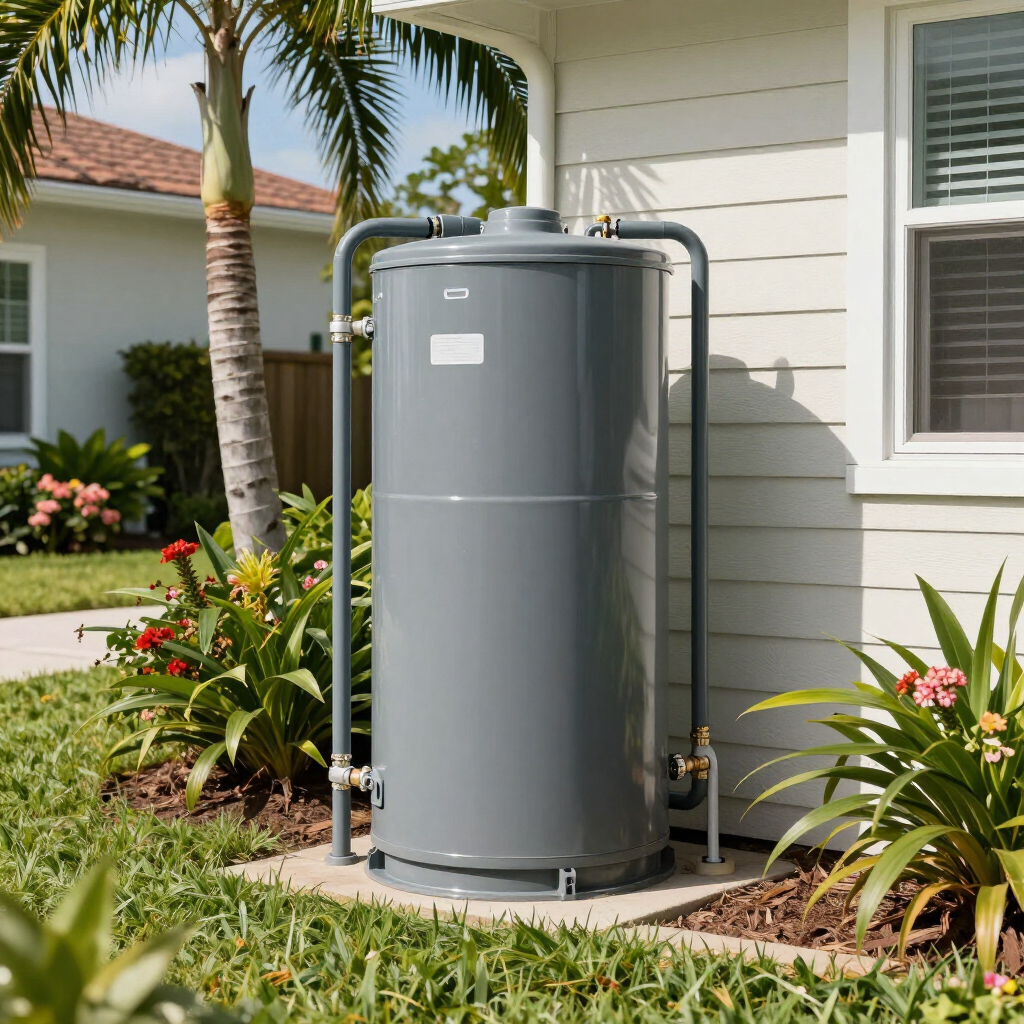
Gray water heater tank beside a house wall in a landscaped yard

One of the most common questions homeowners ask is, "How long should my water heater last?" The answer depends on several factors, including the type of water heater, the quality of your local water, how well the unit has been maintained, and even Florida's climate.


In Central Florida, the average water heater lasts 8 to 12 years for a traditional tank model, while a properly maintained tankless water heater can often last 20 years or more. However, hard water, mineral buildup, and heavy daily use can shorten that lifespan significantly. Understanding what affects your water heater and recognizing the early warning signs of failure can help you avoid unexpected breakdowns and expensive water damage.


Whether you own a home in Orlando, Winter Park, Kissimmee, Sanford, Altamonte Springs, or anywhere throughout Orange, Seminole, Osceola, Brevard, or Lake County, this guide will help you determine whether your water heater still has years of life left—or if it's time to start planning for a replacement.


What Is the Average Lifespan of a Water Heater?

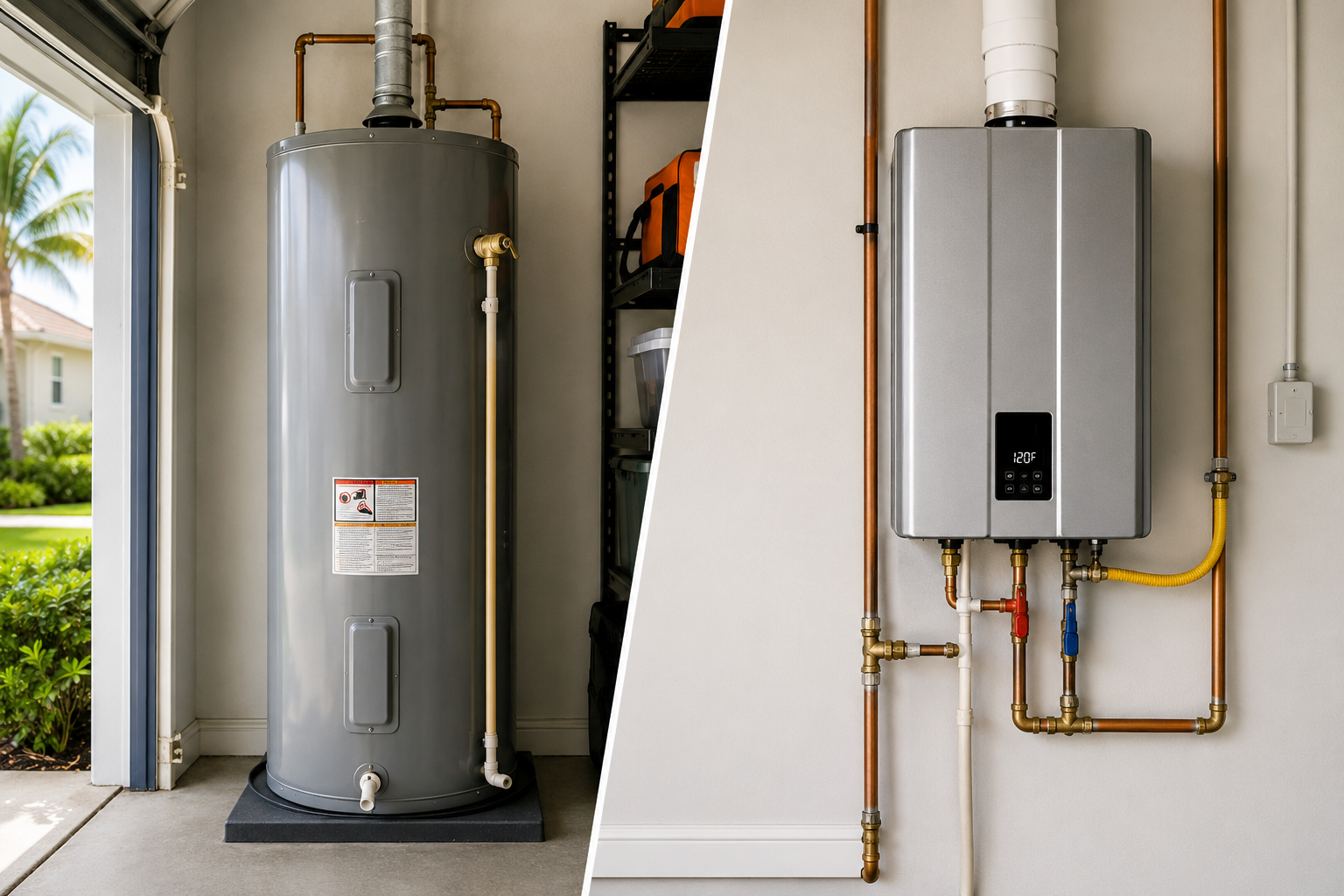
Most residential water heaters fall into two categories:

Water Heater Type Average Lifespan
Traditional Tank Water Heater 8–12 Years
Tankless Water Heater 20+ Years

While these numbers provide a good benchmark, every home is different. A water heater installed in a home with excellent water quality and annual maintenance may exceed its expected lifespan, while another installed under harsher conditions may fail years earlier.


Why Water Heaters Wear Out Faster in Florida

Florida presents several unique challenges for plumbing systems.


Hard Water Minerals

Many Central Florida communities experience moderate to hard water. Over time, calcium and magnesium settle inside the tank.


These minerals create sediment that:

  • Reduces heating efficiency
  • Forces the burner or heating elements to work harder
  • Causes overheating
  • Leads to premature tank failure


Sediment buildup is one of the biggest reasons traditional water heaters fail before reaching their expected lifespan.


High Water Usage

Large families place much greater demands on water heaters.


Running multiple showers, washing machines, dishwashers, and faucets throughout the day forces the unit to heat fresh water continuously.

More heating cycles equal more wear on the internal components.


Florida's Humid Climate

Humidity itself doesn't damage the water heater, but it can accelerate corrosion on external plumbing components, fittings, valves, and connectors.

Older garages and utility rooms with poor ventilation are particularly susceptible.


Water Pressure Problems

Many Orlando homes experience higher-than-normal water pressure.


Excessive pressure creates additional stress inside the tank.

Over several years this can weaken:

  • Welded seams
  • Pressure relief valves
  • Pipe connections
  • Internal lining


Installing or maintaining a pressure reducing valve helps extend the life of both your plumbing system and your water heater.


Signs Your Water Heater Is Nearing the End of Its Life

Water heaters rarely stop working without warning.

Most give homeowners several clues that replacement may be approaching.


1. Rust-Colored Hot Water

If only your hot water appears rusty, corrosion is likely occurring inside the tank.

Once the protective glass lining begins breaking down, rust eventually attacks the steel tank itself.


Unfortunately, this cannot be repaired.

Replacement is the safest solution.


2. Inconsistent Hot Water

Does your shower suddenly become cold halfway through?

Are family members running out of hot water faster than before?

Sediment buildup reduces the amount of available hot water inside the tank and decreases heating efficiency.


3. Strange Noises

Popping.

Cracking.

Rumbling.

These noises are usually caused by hardened sediment heating and expanding inside the tank.

As sediment thickens, the heater becomes less efficient and works much harder than it should.


4. Water Around the Base

Water pooling underneath the tank is never normal.


Common causes include:

  • Internal tank corrosion
  • Pressure relief valve leaks
  • Drain valve leaks
  • Loose plumbing connections


Even a small leak should be inspected immediately before major water damage occurs.


5. Rising Utility Bills

Older water heaters become significantly less efficient.

As heating elements struggle through layers of sediment, they consume more electricity or natural gas.


Many homeowners notice increasing utility bills months before complete failure.


6. Frequent Repairs

Replacing one heating element or thermostat isn't unusual.

However, if you're calling a plumber every few months, replacing the entire unit often costs less over the long term.


How Can You Make Your Water Heater Last Longer?

Routine maintenance can easily add several years to the life of your system.


Professional maintenance typically includes:

  • Flushing sediment from the tank
  • Inspecting the anode rod
  • Checking temperature settings
  • Testing the pressure relief valve
  • Inspecting gas or electrical connections
  • Looking for hidden leaks
  • Verifying proper water pressure


Annual maintenance is far less expensive than replacing a failed water heater.


What Is an Anode Rod?

One of the most overlooked parts inside every traditional water heater is the anode rod.

Often called the "sacrificial rod," it attracts corrosion before rust can attack the steel tank.

Once the rod is completely consumed, corrosion begins damaging the inside of the tank itself.


Replacing an anode rod every few years can dramatically extend the life of your water heater.

Many homeowners don't even know this part exists until it's too late.


Should You Repair or Replace Your Water Heater?

A simple rule many plumbers follow is the 50% Rule.


If a repair costs more than half the price of a new unit—and the heater is already nearing the end of its expected lifespan—replacement is usually the better investment.


Replacement is often recommended if:

  • The unit is over 10 years old
  • The tank is leaking
  • Rust is present inside the tank
  • Repairs are becoming frequent
  • Hot water demand has increased
  • Energy bills continue climbing


Repair usually makes sense if:

  • The heater is under eight years old
  • The issue involves a thermostat
  • A heating element has failed
  • A valve or connection is leaking
  • The tank itself remains in good condition


Tank vs. Tankless: Which Lasts Longer?

Many Orlando homeowners eventually ask whether they should switch to tankless.

Here's a quick comparison.
Feature Tank Water Heater Tankless Water Heater
Lifespan 8–12 Years 20+ Years
Hot Water Supply Limited Continuous
Energy Efficiency Good Excellent
Maintenance Moderate Moderate
Initial Cost Lower Higher
Long-Term Savings Moderate High

While tankless units cost more initially, their longer lifespan and improved efficiency often make them the better long-term investment for many homeowners.


When Is the Best Time to Replace a Water Heater?

Waiting until your water heater completely fails can leave your family without hot water and may result in flooding.


Instead, consider replacement when:

  • The unit reaches 10 years old
  • Performance noticeably declines
  • Repairs become more frequent
  • You're already remodeling your home
  • You're planning to sell your property


Replacing the system before failure allows you to schedule installation at your convenience instead of dealing with an emergency.


Frequently Asked Questions

How can I tell how old my water heater is?

The manufacture date is usually printed on the label attached to the tank. If you cannot locate it, a licensed plumber can identify the age using the serial number.


Should I flush my water heater every year?

Yes. Annual flushing removes sediment that reduces efficiency and shortens the unit's lifespan.


Why does my hot water smell like rotten eggs?

This usually indicates bacteria reacting with the anode rod inside the tank. Replacing the rod or disinfecting the tank often solves the problem.


Can I replace just the heating element?

Yes. If the tank is still in good condition, replacing a failed heating element is often an economical repair.


Is it worth upgrading to a tankless water heater?

For many Florida homeowners, yes. Tankless systems provide endless hot water, improved energy efficiency, and can last nearly twice as long as traditional tank water heaters.


Schedule Professional Water Heater Service in Orlando

Whether your water heater needs a simple repair, annual maintenance, or complete replacement, the experienced team at Orlando Plumbing and Drains is ready to help.


We install, repair, and replace traditional and tankless water heaters throughout Central Florida while providing honest recommendations based on your home's needs—not unnecessary sales pressure.


Our licensed plumbers proudly serve homeowners throughout:

  • Orlando
  • Winter Park
  • Altamonte Springs
  • Kissimmee
  • Sanford
  • Oviedo
  • Apopka
  • Orange County
  • Seminole County
  • Osceola County
  • Brevard County
  • Lake County


If your water heater is showing signs of age or you're simply unsure how much life it has left, contact Orlando Plumbing and Drains today for a professional inspection and personalized recommendations.


Recent Posts

Plumber in navy shirt repairing shower plumbing in a tiled bathroom, tools on the floor.
July 28, 2026
See how we replaced a faulty shower valve in a Winter Park home. Learn the signs, process, and what it takes to fix your shower fast.
Outdoor water spigot with a red valve handle mounted on a wall
July 13, 2026
Need emergency plumbing help in Orlando? Call 24/7 for burst pipes, leaks, backups, and more. Fast, local service when you need it most.
Leaking outdoor metal faucet with a water droplet against a blurred green background
June 26, 2026
Struggling with low water pressure in your Orlando home? Discover the top causes and proven solutions from local plumbing experts.
man doing plumbing
June 11, 2026
Wondering if you need a plumbing permit in Orlando? Find out what work requires a permit, how inspections work, and why it matters.
Plumber using a red wrench to tighten a bathroom sink pipe under a tiled wall.
May 27, 2026
Live in an older Orlando home? Discover the most common plumbing issues and how to prevent water damage, leaks, and costly repairs.
Copper and PEX plumbing pipes installed in a framed wall, shown in close-up and wide view.
May 12, 2026
Wondering how much it costs to repipe a house in Orlando? Get real estimates, what’s included, and factors that affect the price.
Hand reaching toward a clogged white pipe beneath a sink with dirt and debris around it
April 27, 2026
Dealing with constant drain clogs in your Florida home? Learn the top causes and how to prevent them from a licensed Orlando plumber.
A technician kneels outdoors, feeding a flexible cable into a hole while monitoring a sewer inspection camera on a display.
April 10, 2026
Discover the benefits of a drain camera inspection for your Orlando home. Identify blockages, leaks, and root intrusion without digging.
Comparison graphic showing colorful PEX tubing on the left versus rigid, cream-colored CPVC piping on the right.
March 26, 2026
Debating PEX or CPVC for your Orlando repipe? Compare durability, cost, and performance for Florida’s climate in this expert guide.
Plumber using a wrench to fix a leaking pipe in a bathroom, water spraying.
March 12, 2026
Plumbing emergency in Orlando? Follow these steps before our 24-hour plumbers arrive. Get fast, expert help when you need it most.
Show More