While both systems perform well, the best option depends on your household's needs.
Benefits of Traditional Tank Water Heaters
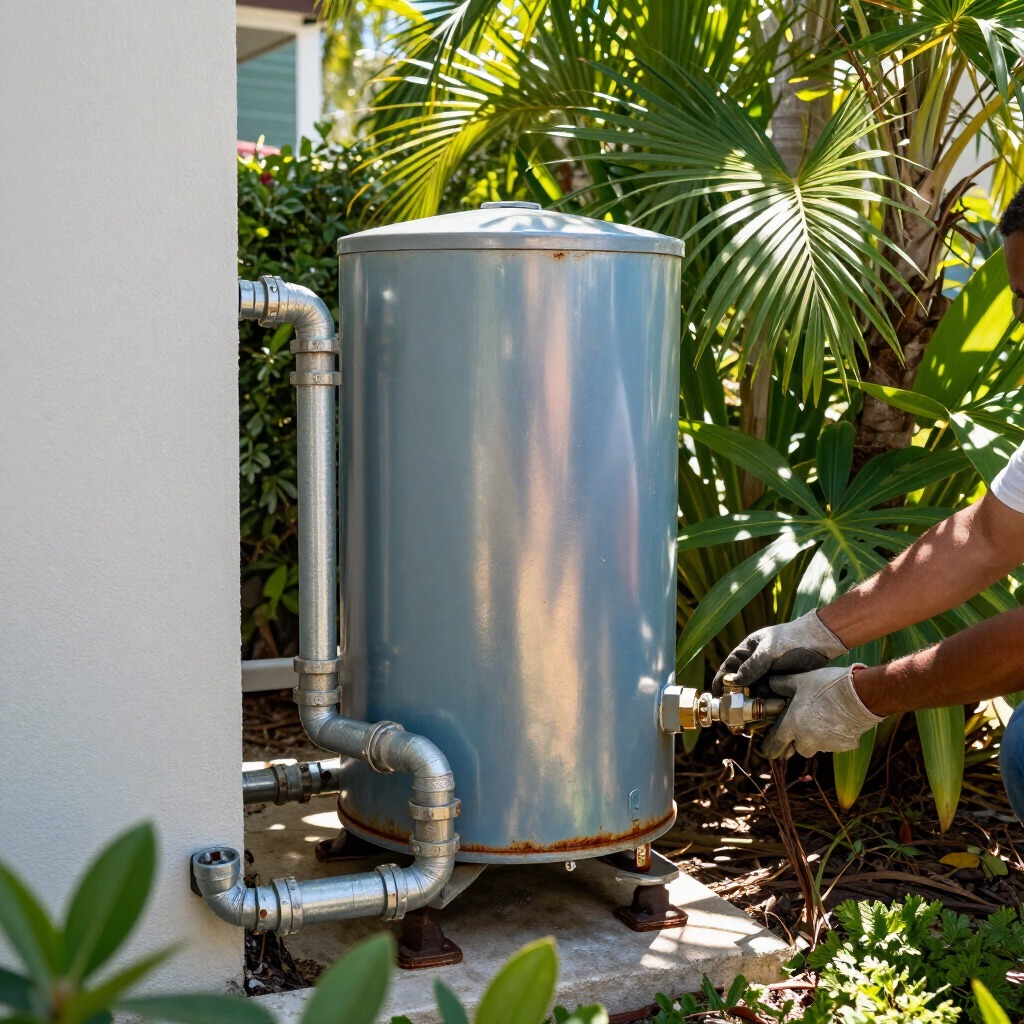
Traditional tank water heaters continue to be an excellent choice for many homeowners.
Advantages include:
- Lower installation cost
- Easier replacement if existing plumbing is already configured
- Lower equipment cost
- Reliable technology
- Simple repairs
- Widely available replacement parts
For homeowners planning to stay in their home only a few years, a traditional tank often provides the best return on investment.
Benefits of Tankless Water Heaters
Tankless systems offer several advantages that make them increasingly popular throughout Orlando.
Endless Hot Water
One of the biggest advantages is continuous hot water.
As long as the system is properly sized, your family won't run out of hot water during back-to-back showers or while running multiple appliances.
Lower Energy Bills
Traditional water heaters constantly maintain the temperature of stored water—even when no one is using it.
Tankless systems eliminate this standby energy loss.
Because they only heat water when needed, homeowners often notice lower monthly utility bills.
Longer Equipment Life
A properly maintained tankless water heater can last 20 years or longer, nearly twice the lifespan of many traditional systems.
Although the upfront investment is higher, the longer service life often offsets much of that additional cost.
Space Savings
Traditional water heaters occupy significant floor space.
Tankless units mount directly on the wall, freeing valuable room in garages, utility closets, or laundry areas.
This makes them especially attractive for smaller Orlando homes, townhomes, and condominiums.
When a Traditional Tank Water Heater Makes More Sense
A conventional water heater may be the better choice if:
- You're working with a limited budget.
- Your current water heater only needs replacement.
- Your household has modest hot water demands.
- You plan to sell the home within a few years.
- Existing plumbing and venting are already designed for a tank system.
Many homeowners still choose traditional systems because of their affordability and dependable performance.
When a Tankless Water Heater Is Worth the Investment
A tankless system is often the better choice if:
- Your family uses a lot of hot water.
- You frequently run out of hot water.
- Energy efficiency is important.
- You plan to stay in your home long term.
- You're remodeling your home.
- You want to maximize available storage space.
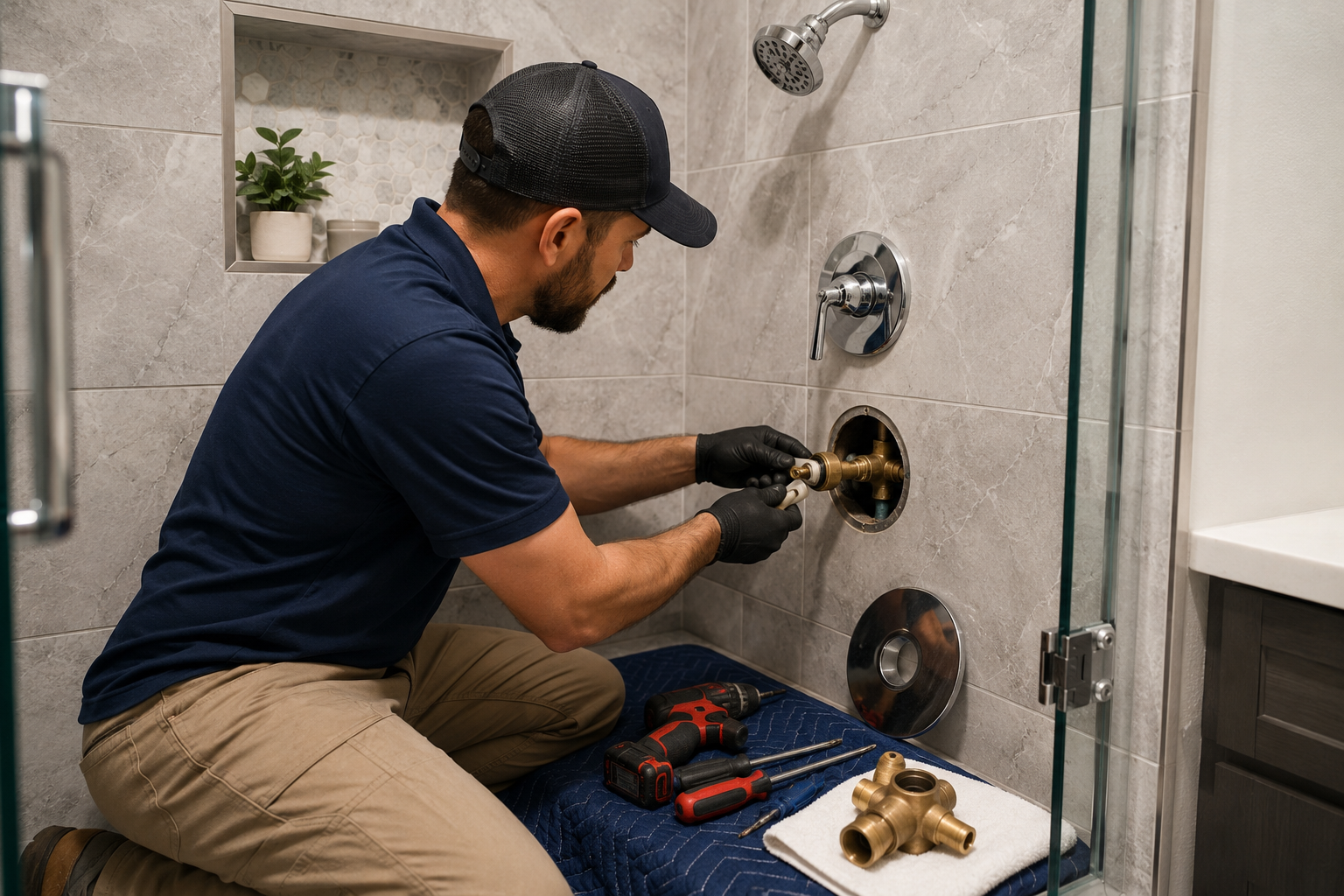
Many Orlando homeowners upgrading older homes choose tankless systems during kitchen or bathroom renovations because plumbing modifications are already being completed.
Installation Costs in Orlando
Costs vary depending on your home's plumbing configuration, gas or electrical requirements, and equipment selection.
Typical price ranges include:
Traditional Tank Water Heater
- Equipment and installation
- Approximately $1,200–$2,500
Tankless Water Heater
- Equipment and installation
- Approximately $2,800–$5,500
Although tankless systems require a larger initial investment, lower operating costs and longer lifespan can make them more economical over time.
Can You Replace a Tank Water Heater with Tankless?
Yes.
Many Orlando homeowners upgrade from a traditional tank to a tankless system.
However, conversion may require:
- Electrical upgrades
- Larger gas lines
- New venting
- Plumbing modifications
- Permit approval
- Inspection
Our licensed plumbers evaluate your home's existing plumbing and provide recommendations before installation begins.
Which Water Heater Is Better for Florida Homes?
Florida's climate makes both systems viable, but several local factors favor tankless units.
Benefits for Florida homeowners include:
- Lower energy consumption year-round
- Faster recovery during heavy household use
- Compact installation in smaller garages
- Longer service life
- Reduced risk of catastrophic tank leaks
However, traditional systems continue to provide excellent value for homeowners seeking dependable performance at a lower upfront price.
There isn't a one-size-fits-all answer.
The right choice depends on your family, budget, and long-term plans.
Maintenance Requirements
Both systems require maintenance to maximize lifespan.
Traditional Water Heater Maintenance
- Flush sediment annually
- Inspect anode rod
- Test pressure relief valve
- Check for corrosion
- Inspect plumbing connections
Tankless Water Heater Maintenance
- Flush mineral deposits annually
- Clean intake filters
- Inspect burner assembly
- Check venting system
- Test water flow and pressure
Routine maintenance significantly extends the life of either system.
Frequently Asked Questions
Do tankless water heaters really save money?
Yes. Most homeowners experience lower energy bills because the system only heats water when needed instead of continuously maintaining a full tank.
Can a tankless heater supply an entire house?
Yes. Proper sizing is important, but modern whole-home tankless systems easily supply multiple bathrooms for most households.
Which water heater lasts longer?
Tankless water heaters typically last over 20 years, while traditional tank models generally last between 8 and 12 years.
Are tankless water heaters harder to maintain?
Not necessarily. Annual flushing removes mineral buildup and keeps the unit operating efficiently.
Which option increases home value?
Many buyers view tankless water heaters as a desirable upgrade because of their efficiency, space savings, and longer lifespan.
Trust Orlando Plumbing and Drains for Water Heater Installation
Whether you're replacing an aging tank water heater or considering an upgrade to a modern tankless system, Orlando Plumbing and Drains can help you choose the best option for your home and budget.
We install, repair, and maintain both traditional and tankless water heaters throughout Central Florida. Our experienced plumbers will explain your options, provide honest recommendations, obtain any required permits, and complete your installation safely and efficiently.
We proudly serve homeowners throughout:
- Orlando
- Winter Park
- Altamonte Springs
- Oviedo
- Apopka
- Sanford
- Kissimmee
- Orange County
- Seminole County
- Osceola County
- Brevard County
- Lake County
If you're ready for reliable hot water and professional installation, contact Orlando Plumbing and Drains today.
Phone: (863) 667-6364
Email: plumbing.orl@gmail.com
Available: 24 Hours a Day, 7 Days a Week